 COROLLA LEDGERIDENTITY · CONDITION · EXPORT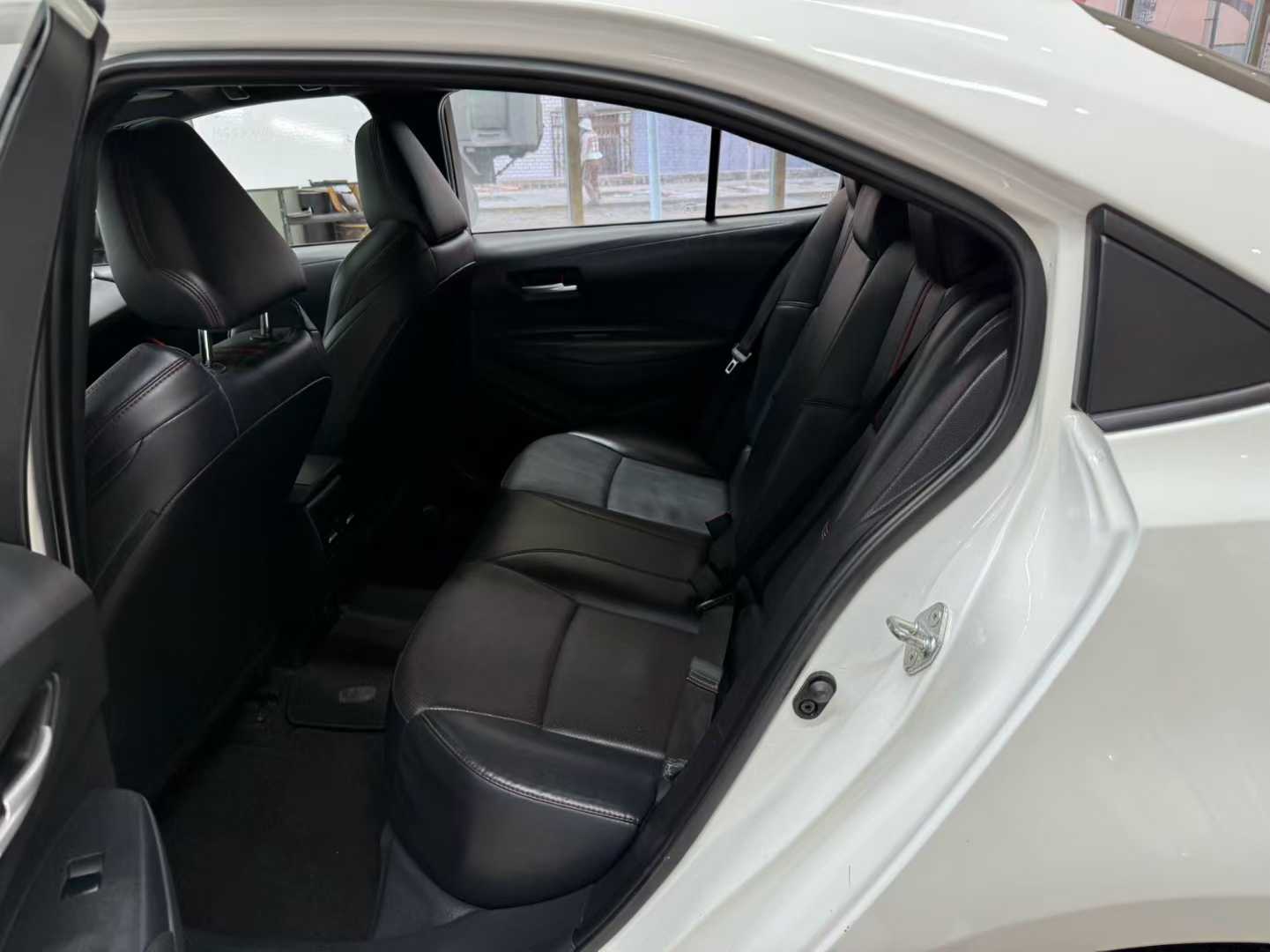
Start with the correct body and seating specification
Confirm the VIN, body style, year and original market. Use the Corolla body-style and market guide to distinguish related names and dimensions. Obtain the applicable manual and check approved seating positions for the intended restraint. Visible anchor covers do not establish every compatibility detail. A Toyota Japan reference, for example, should not be used as a universal specification for a China-market sedan or another export version simply because the cars share the Corolla name.
Test the restraint with normal front occupants
Arrange a fitting assessment using the actual restraint model and follow both manufacturers' instructions. Position front seats as the adults normally need them, then check the permitted arrangement and clearances. Moving a seat far forward just for the demonstration can conceal an everyday usability problem. Do not use unsupported padding, extensions or alternative anchor points. If instructions conflict or fit is uncertain, obtain qualified guidance before purchase rather than trusting a seller's assertion that all seats fit all modern cars.
Assess the complete passenger combination
If two or more restraints are required, evaluate them together. Check access to the correct buckles and whether each installation remains approved and practical in the complete arrangement. A car having three rear seating positions does not automatically permit three particular restraints across the bench. Include any adult who must travel in the back. The assessment should reflect normal use, not a photograph with doors open and occupants omitted. Record limitations clearly so a different restraint or vehicle can be considered before committing.
Check daily access and luggage together
Consider door opening, the adult's reach and safe access while stationary. Then load the pushchair and typical bags with every required seat occupied or available in its intended position. The Corolla interior and boot guide helps assess usable shape rather than headline volume. Do not count space created by folding a seat that a child needs. Secure luggage according to the applicable instructions and keep restraint operation and required visibility unobstructed.
Inspect belts, anchors and surrounding condition
For a used candidate, have any suspect restraint-related component or repaired area assessed professionally. Frayed belts, damaged buckles, missing trim or signs of surrounding repairs should not be dismissed because the upholstery is clean. The damage-history checks provide wider context. Do not dismantle restraint systems or assume a used child seat supplied by the seller has a known safe history. The vehicle purchase and the suitability of a particular child restraint remain separate responsibilities.
Write a specific family-use brief
State the number of occupants, restraint models, front-seat requirements and luggage needs before candidates are shortlisted. If a car cannot meet the combination, consider a properly approved alternative arrangement or another vehicle. Avoid treating a fundamental fit issue as something the buyer will solve after import. For a new vehicle, confirm the delivered specification matches the assessed one; for a used car, retain the relevant condition findings. A successful assessment of one Corolla does not automatically transfer to a different body or market version.
Example: the front passenger loses usable space
A rear-facing restraint appears to fit, but only when the front passenger seat is moved beyond the adult's practical position. Repeat the assessment using the real occupants and the applicable instructions. If the arrangement does not work, change the approved equipment or candidate before purchase. A large-looking rear bench does not compensate for an unsuitable whole-cabin setup. The useful result is a family routine that actually works, not a staged demonstration that technically places the restraint inside the car.
Buyer checklist
- Confirm body, market and approved seating positions.
- Use the actual restraints and normal adult positions.
- Test the whole passenger and luggage arrangement.
- Have suspect belts, anchors or repairs assessed professionally.
Questions and answers
Does every Corolla have the same child-seat fit?
No. Body style, market, year, equipment and the restraint itself all matter.
Can I judge fit from boot volume and wheelbase?
No. Those figures cannot establish an approved restraint installation or the complete family arrangement.
Reference information
Use the applicable market and year documentation for equipment and operating limits. The references have their own market and publication scope; they do not establish the condition, fitted equipment or destination approval of an individual vehicle.
Continue with the Corolla cabin and luggage checks, or send your vehicle requirements.